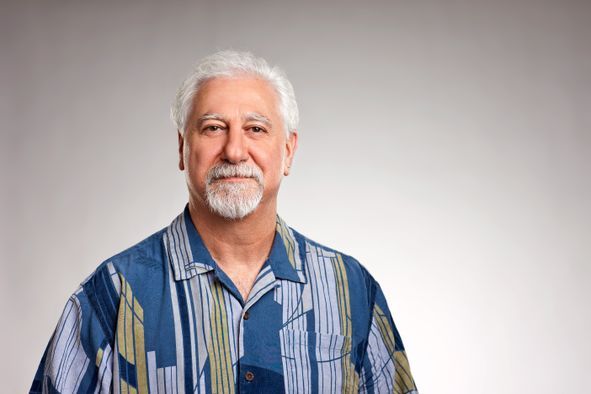
George Osborne
George Gideon Oliver Osborne CH, born on May 23, 1971, is a former British politician and newspaper editor known for his influential role in the Conservative Party. Serving as Chancellor of the Exchequer from 2010 to 2016 and as First Secretary of State from 2015 to 2016 in the Cameron government, Osborne played a pivotal role in shaping economic and financial policies during a crucial period. Born to Peter Osborne, co-founder of Osborne & Little, George Osborne's educational journey included institutions like Norland Place School, Colet Court, St Paul's School, and Magdalen College, Oxford. After working with The Daily Telegraph and the Conservative Research Department, he served as a special adviser and worked on campaigns, eventually becoming the MP for Tatton in 2001.
As a Member of Parliament, Osborne held significant roles, including Shadow Chief Secretary to the Treasury and later Shadow Chancellor of the Exchequer. His notable achievements include running David Cameron's successful leadership campaign in 2005 and being appointed Chancellor after the 2010 general election. During his tenure, Osborne implemented austerity measures to address the budget deficit and initiated the Northern Powerhouse initiative. Following the 2015 general election, where the Conservatives secured a majority, Osborne continued as Chancellor and assumed the title of First Secretary of State. Despite being considered a potential successor to David Cameron, he faced challenges after the Brexit referendum in 2016, leading to his dismissal by Prime Minister Theresa May. Osborne subsequently served on the backbenches before leaving public office in the 2017 general election.
Since then, George Osborne has taken on prominent roles, including editor of the Evening Standard from 2017 to 2020, chair of the Northern Powerhouse Partnership since 2016, and chair of the British Museum since 2021. His multifaceted career reflects a blend of political leadership, economic stewardship, and contributions to cultural institutions.