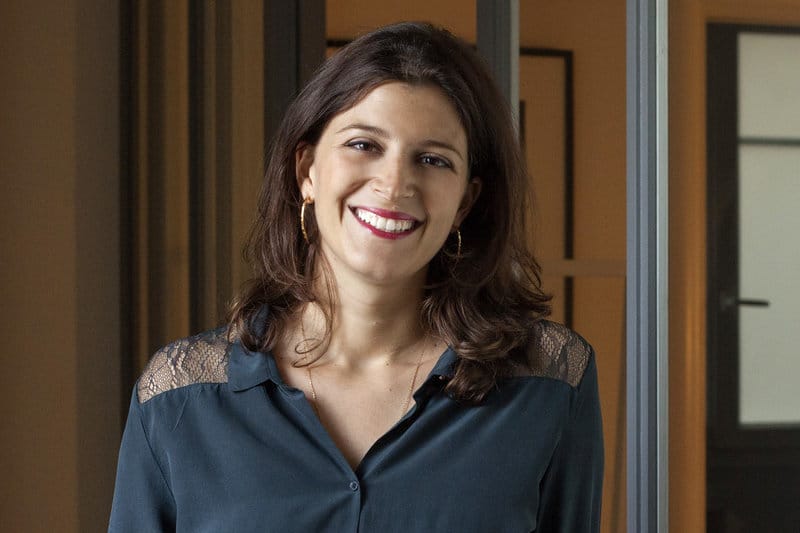
Jordan Harrod
Jordan Harrod is a Ph.D. candidate in Medical Engineering and Medical Physics at the Harvard-MIT Health Sciences andTechnologyprogramme. Her research focuses on applying neuromodulation to solve clinical challenges and using neurotechnology with machine learning to create advanced tools for brain stimulation. She works under prominent mentors, including Dr. Ed Boyden and Dr. Emery Brown. Her academic journey is supported by prestigious fellowships like the NSF Graduate Research Fellowship and the GEM Fellowship.
She runs a YouTube channel with over 82,500 subscribers, focusing on artificial intelligence (AI), neurotechnology, and algorithmic systems, aiming to make complex topics accessible to a wider audience. Her content explores practical AI applications, ethics, and the impact of algorithms on society. She is also active on social media platforms likeTwitter,Instagram, and TikTok.
Jordan has spoken at major events, including TEDxBeaconStreet and the Women in Technology Summit. She consults on AI strategies and helps professionals optimiseAI tool use. She is a part of initiatives like theYouTubeBlack Voices Fund and the Nebula Creator community, which supports educational content creators.
In addition to research and communication, Jordan has held leadership roles in organisations such as Alpha Phi Omega and the Cornell Engineering Ambassadors. Her work bridges academia andpublic engagement, contributing significantly to neurotechnology and the understanding of artificial intelligence in everyday life.
Jordan holds a Bachelor’s degree in Biomedical Engineering from Cornell University, where her work spanned interfacial tissue engineering, medical image analysis, and machine learning for MRI reconstruction. Her professional experience includes roles at Novartis, Stanford University, and Columbia University, where she contributed to biomarker development, neural networks, and scaffold engineering for tissue regeneration. Jordan Harrod is recognised as one of the "AI Creators You Need to Know" by Edelman for her impactful contributions to artificial intelligence and science communication.